Public developments and original analysis · Announcement date: · Sources
On November 5, Box announced an expanded collaboration with NVIDIA and plans for Box Context Retrieval, powered by Nemotron Retriever. The announcement includes scanned documents, images, audio and video in its retrieval scope, with access constrained by user permissions. General availability is planned for Enterprise Advanced customers in early 2027. Nemotron model access announced alongside it is already available to that plan; the two timelines should be read separately.
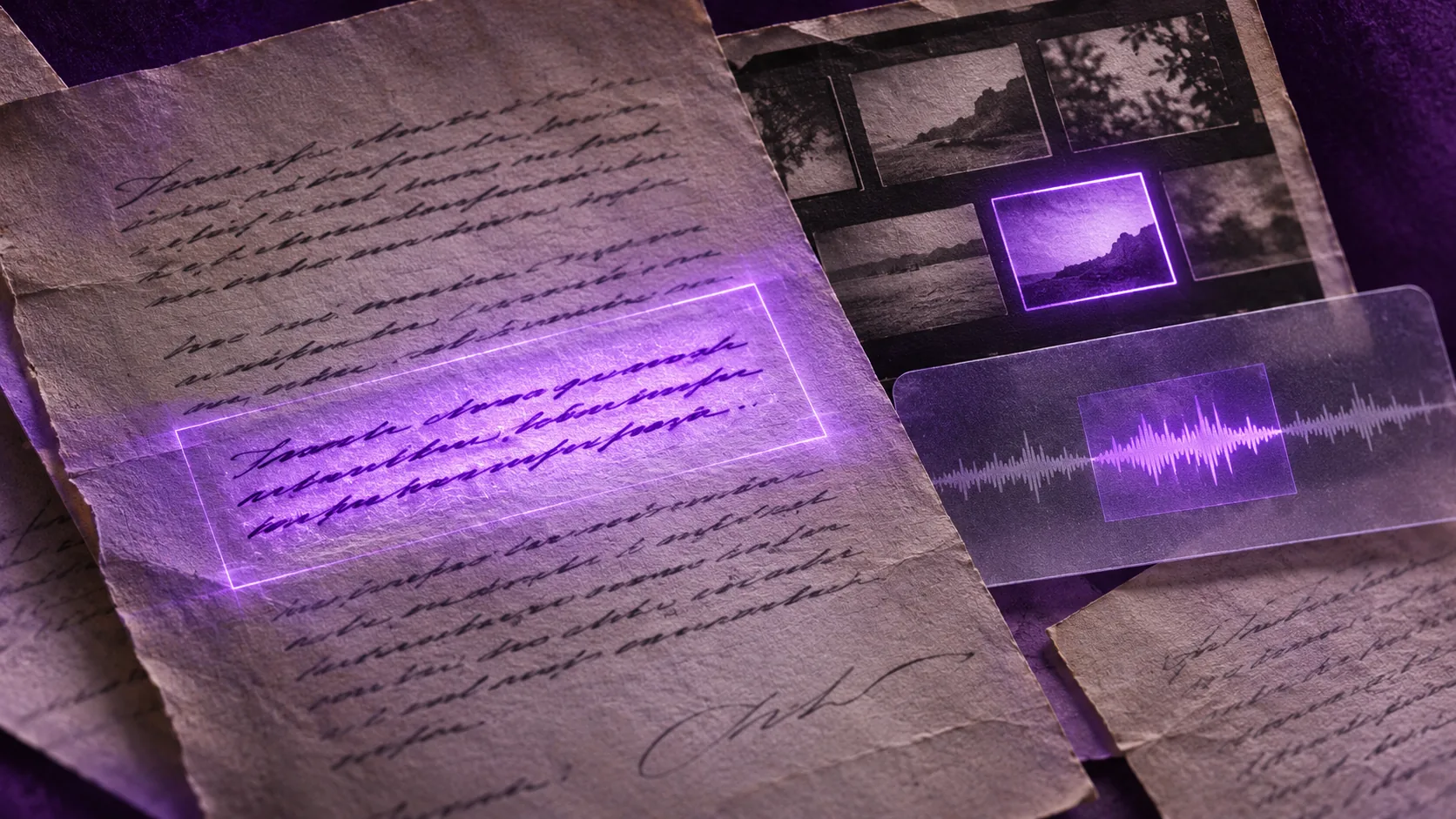
The plan gives companies a reason to reconsider material they have retained but rarely use in routine preparation. Scanned customer confirmations, service calls and attachment images may matter to a renewal discussion, yet an account manager is more likely to find the latest CRM summary. Broader retrieval could bring those sources into consideration. The business still needs a way to use what is found.
The following is a proposed approach to preparing for a customer renewal. Its purpose is to help the responsible people distinguish supported facts from questions that need confirmation with the customer or another team. It is not a Box, NVIDIA or Mokyun customer case.
What scans and call recordings can add
Consider an account manager discussing a software service that is approaching renewal. The system shows the current plan. Historical material includes a scanned confirmation of a service-scope change, while a support call describes a persistent usage problem. Searching the customer name for renewal documents may miss the latter two. Retrieval across more content types could surface related information held in different media.
Those sources have different roles. A confirmation can help establish what was agreed at the time. A call recording contains customer statements and matters to investigate. An internal summary reflects an employee's understanding. Compressing them into one smooth conclusion can erase distinctions the account manager needs. Important judgments in the preparation should remain connected to their source and to what that source actually establishes.
Scan quality affects the work as well. Handwritten additions, tables spanning pages and blurred dates may appear exactly where applicability changes. Finding the relevant file does not remove the need to inspect a critical original page. Extracted text can help locate and compare information. Unclear material should remain a question rather than becoming an inferred promise carried into the meeting.
Audio and video can depend on surrounding context. A customer may first express no current interest in a feature and later ask about its conditions. Extracting only the first remark could misdirect preparation. A summary should retain a useful timestamp and sufficient context for the owner to revisit the recording. Everyone need not receive the full audio on every occasion, but consequential judgments need a checkable source.
The information a renewal discussion needs
A search also depends on how its question is framed. Is the customer satisfied with the service may find different material from what could affect this renewal. The latter calls for unresolved work, changes to service scope and next-period requirements. Every returned item could be relevant without covering all those areas. Defining the decisions for the meeting provides a better basis for judging whether the information is sufficient.
A concise preparation brief could include evidence for the current relationship scope, recent customer questions, confirmed progress and matters still awaiting agreement. Each item carries its source and date. Conflicting information remains visible until the appropriate owner can resolve it. The brief should reduce directionless searching while preserving the disagreements that the conversation needs to address.
Mokyun's knowledge retrieval and digital employee offerings can be scoped around that deliverable. Its published positioning covers authorized sources, version checks and retained citations. An implementation could use a customer's existing files and service records to prepare a sourced meeting brief. Access to Box, supported audio or video formats and integration with the existing customer system require validation in the particular environment. This announcement establishes no Mokyun partnership or compatibility with either vendor.
The useful business comparison is what the original preparation missed, whether newly assembled evidence changes the questions for the meeting and which conclusions still require investigation. Retrieval speed and model consumption can help compare technical choices, but they do not establish completeness. A shorter summary that removes unresolved matters could make a faster brief less useful.
Matching the investment to the material
A team with centralized files and relatively few customers may gain more initially by linking confirmations and service records to consistent customer identifiers. Unclear filenames, uncertain account ownership or unfiled confirmations leave a new engine with missing inputs too. Responsibility for organizing and retaining information is work the company can address now.
Multimodal retrieval has a clearer case when customer information spans many files and media types and manual searching is a persistent burden. Existing storage locations, access rights, index updates and subscription costs also affect adoption. Including every historical file immediately may increase initial processing without improving the first renewal task. Selecting material around customers with upcoming meetings makes the investment easier to assess.
Box and NVIDIA's announced direction is worth following, particularly its potential to make previously difficult content usable in business work. An adoption decision can wait for observed performance after general availability. Meanwhile, a company can define what a renewal brief must answer, the sources required and who fills information gaps. Those decisions will shape whether future retrieval capabilities become useful to the business team.
Sources
- Box: partnership with NVIDIA and Context Retrieval plans
Source published: · Accessed:
Mokyun Editorial · neo@mokyun.com
