
AI News & Insights
AI developments examined through enterprise workflows, implementation decisions and governance.
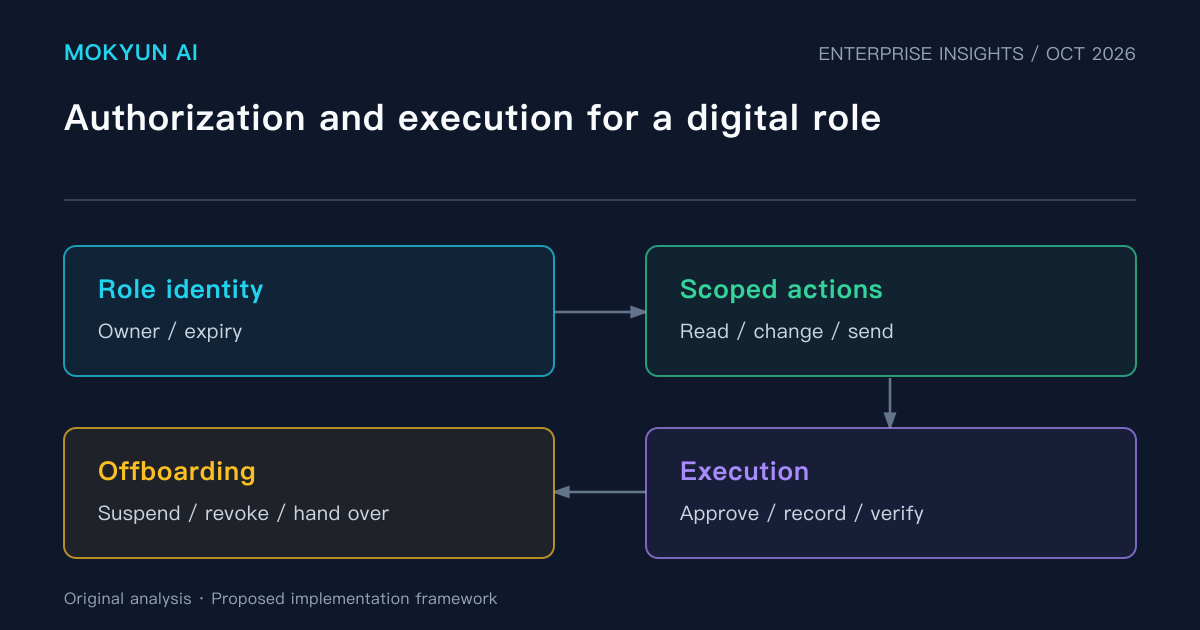
Gemini agent brings identity and authorization into the digital workforce
Google’s Gemini agent announcement highlights persistent work and enterprise identity. Organizations need role definitions, scoped access, execution records and a reliable offboarding process.
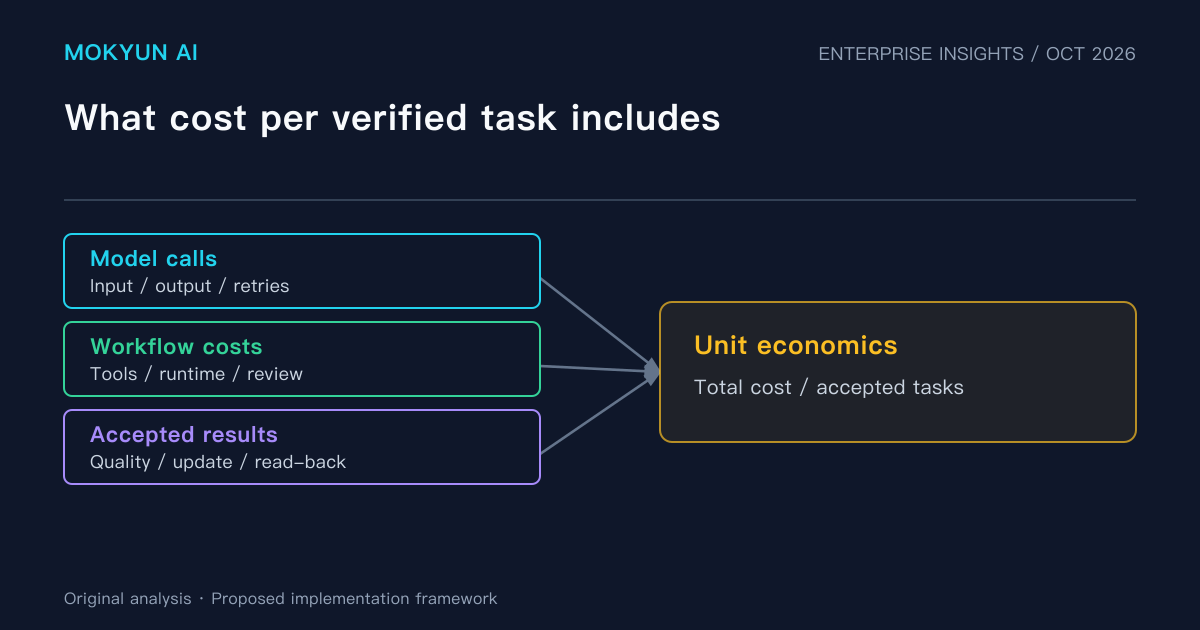
Claude Haiku 5.5 puts cost per verified task at the center of model selection
Lower-cost models make high-volume automation more accessible. Buyers should include retries, review, escalation and verified business updates in their cost comparison.
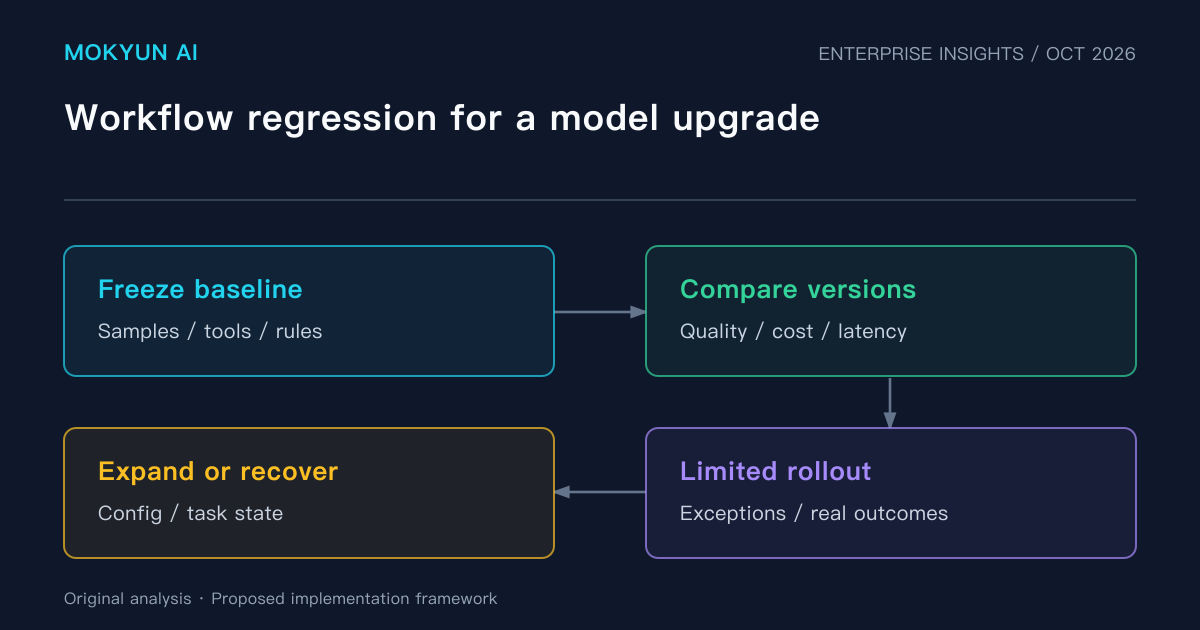
Claude Sonnet 5.5 highlights the need for workflow regression before model upgrades
A faster model creates an upgrade opportunity. Stable business samples, tool boundaries and acceptance criteria are needed to decide whether a workflow should migrate.
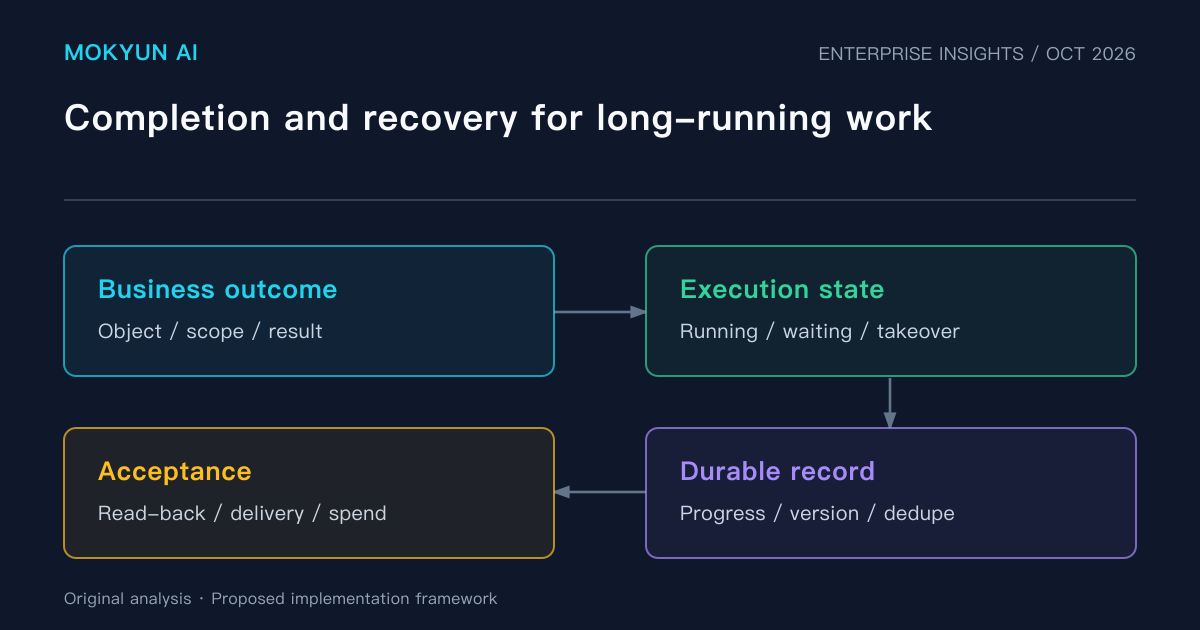
OpenAI’s GPT-6 guide brings long-running agent acceptance into focus
Long-running work combines context, budgets, state and delivery. Enterprise acceptance should specify a verifiable business outcome and cover recovery, timeouts and duplicate execution.
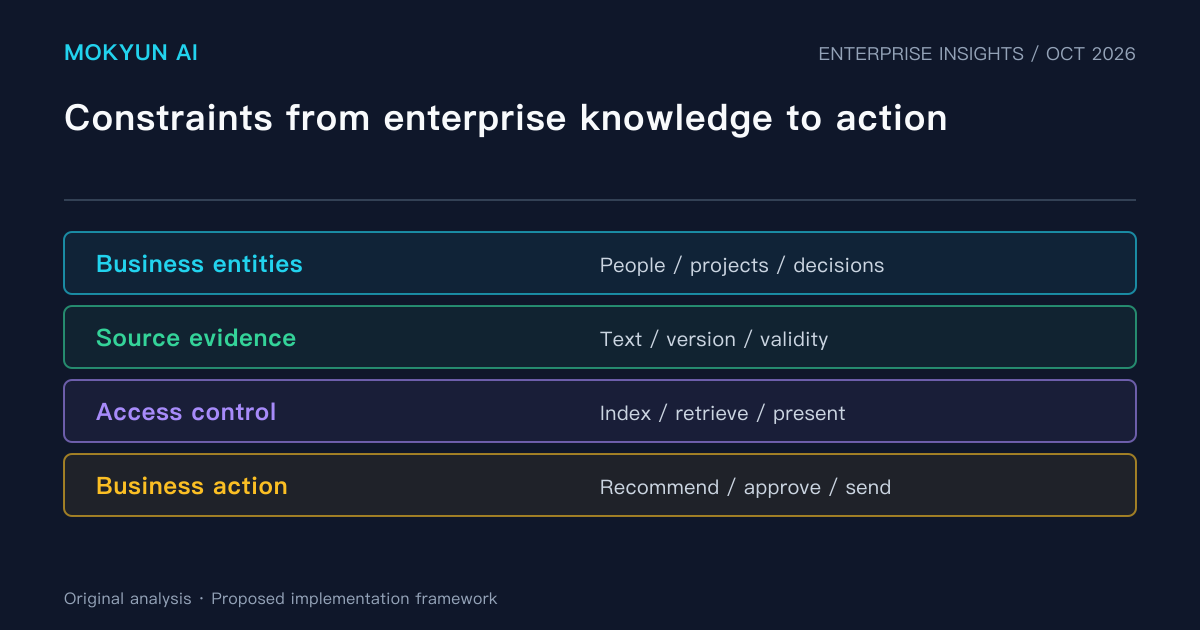
Atlassian and OpenAI highlight the business relationships behind enterprise knowledge
Enterprise agents need documents connected to people, projects, decisions and validity. Knowledge engineering must preserve permissions, source versions and constraints on action.
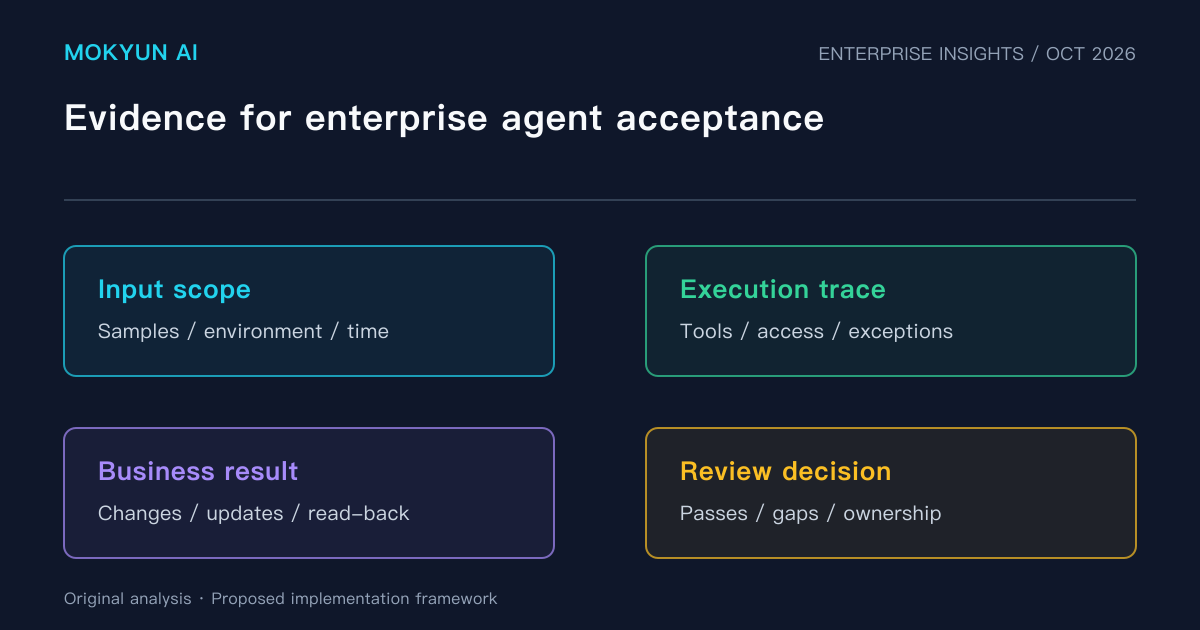
Embedded evaluation points enterprise agent acceptance toward process evidence
Closer access to AI development and operation can improve evaluation. Enterprise agent acceptance needs defined inputs, tool actions, authorization checks and verified outcomes.
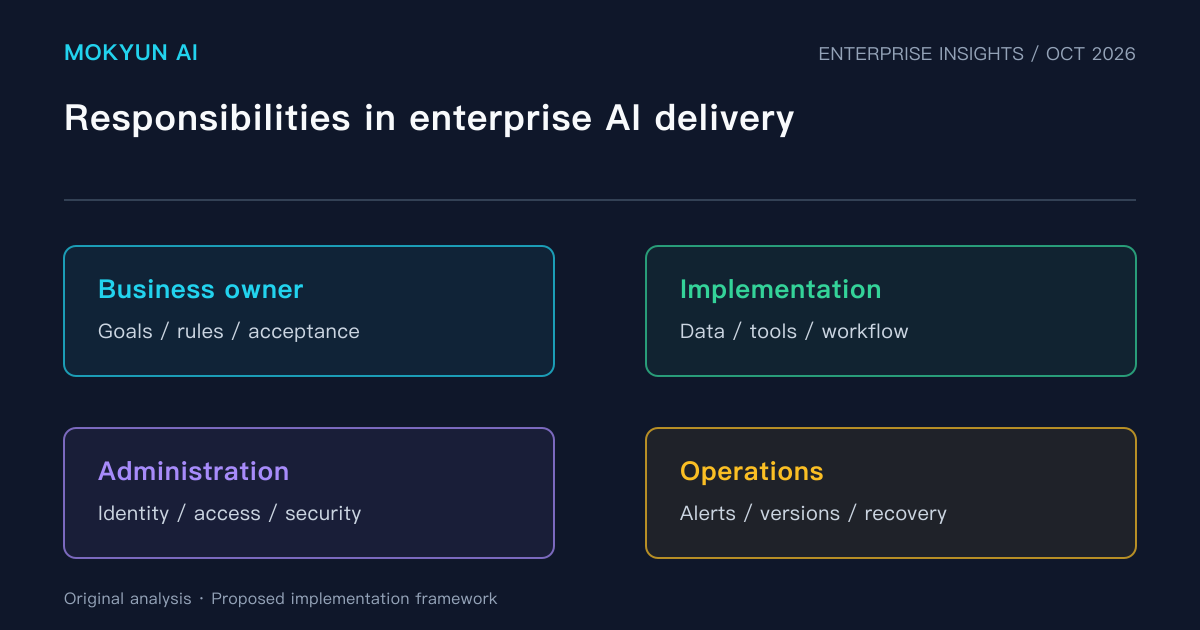
Claude Frontier Academy highlights the capabilities needed for enterprise AI delivery
Anthropic’s training commitment puts implementation talent in focus. Digital workforce projects require business modeling, integration, evaluation and operational ownership.
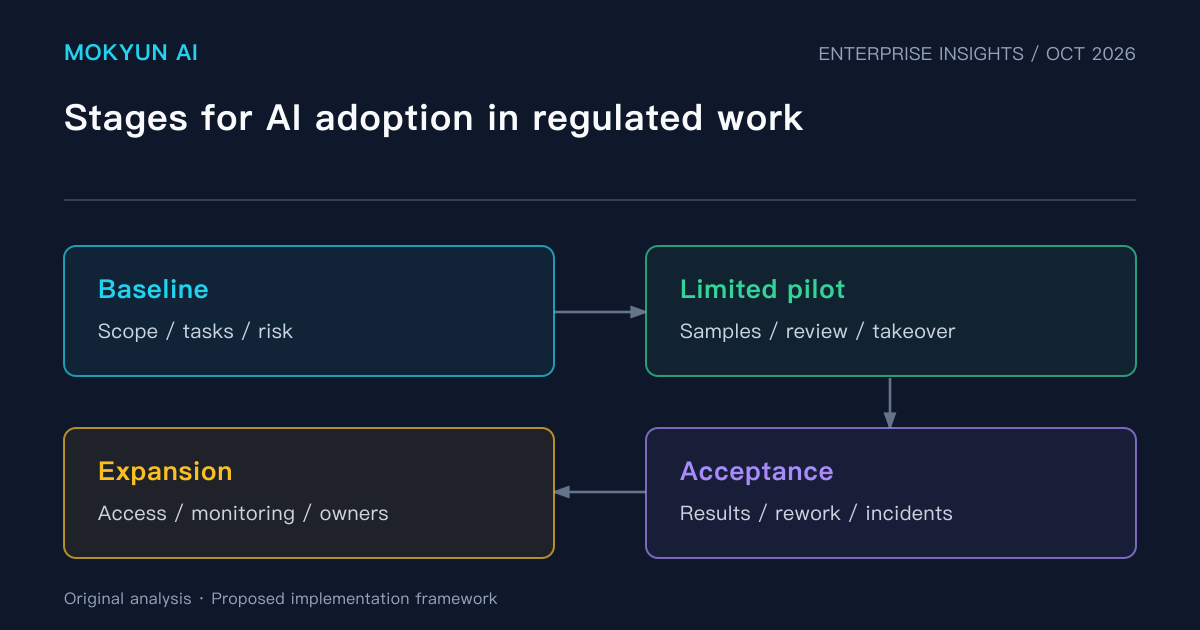
Barclays’ Claude rollout highlights staged acceptance for regulated organizations
A bank’s adoption plan signals demand for enterprise AI at scale. Rollouts should distinguish usage coverage, accepted output and risk, with execution rights introduced in stages.
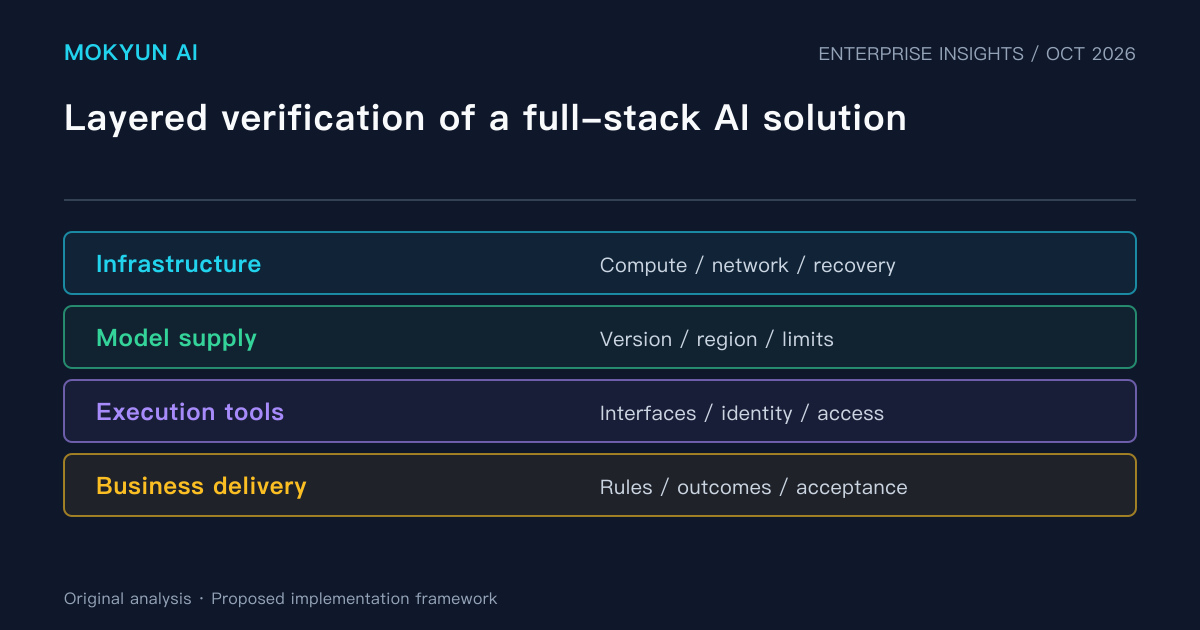
Alibaba’s full-stack AI roadmap calls for a layered deployment assessment
Chips, cloud, models and agent platforms now share one roadmap. Enterprise buyers should verify infrastructure, model supply, tool access and delivery separately, distinguishing available products from plans.
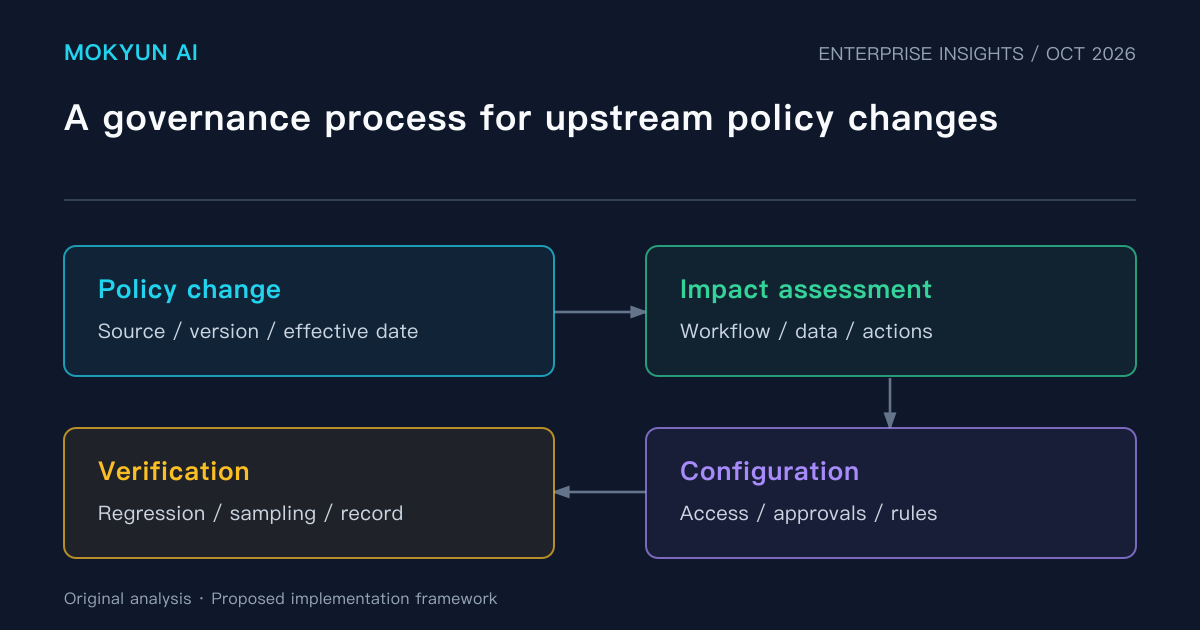
Anthropic’s policy update shows why agent governance needs an upstream change process
As agents become more independent, vendor rules evolve. Organizations need to map those changes to internal workflows, tool permissions and review procedures, with a clear change record.