Public developments and original analysis · Announcement date: · Sources
A competitor has published another product comparison. Should the content team respond? The decision usually starts before writing: which customer question does it answer, does the existing product page cover that question, and is the useful response a new article or a missing paragraph on an old page?
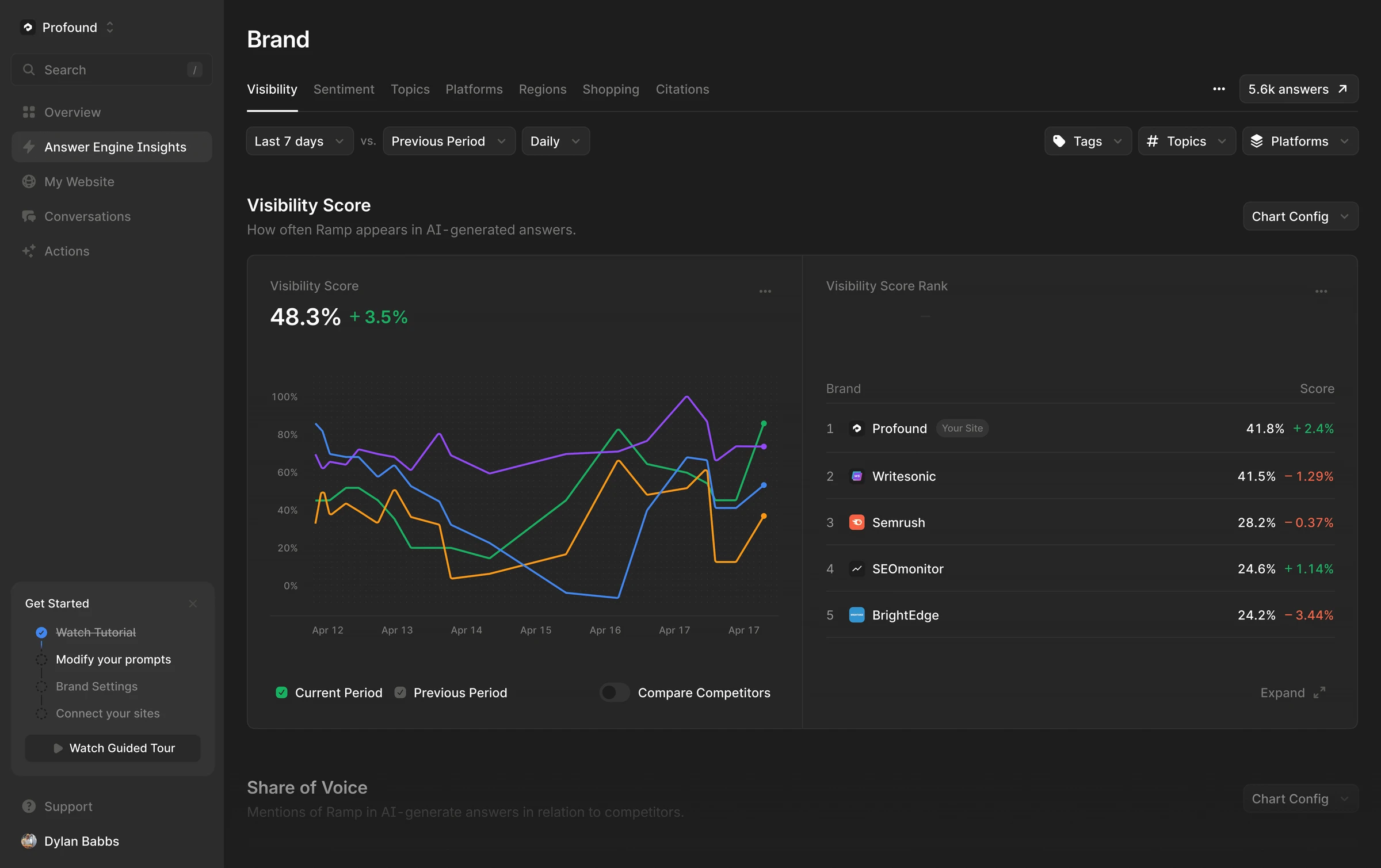
On October 16, Profound introduced new marketing Agents built from natural-language task descriptions. Users can edit their instructions, tools and running arrangements. One suggested use is comparing competitors’ new posts with a company’s own coverage to recommend topics.
That gives content planning another starting point: a recurring task organised around a new signal. The enterprise still has to decide what it can substantiate and publish. Without product evidence, automation can simply produce similar articles faster.
A buyer asking about operating conditions needs a specific answer
Consider an illustrative planning situation at an industrial equipment supplier. A competitor’s selection guide discusses high-temperature operation. The supplier’s own website lists features but leaves out temperature limits and selection constraints. Updating the product page may be more useful than commissioning another article, giving sales something concrete to share with the next enquiry.
The editor needs the current model’s manual, its applicable range and recent questions received by sales. Some conditions depend on a particular configuration; some project parameters cannot be disclosed. Where the documents leave a gap, the next step is a question for the product team. A plausible AI explanation cannot replace that confirmation.
Mokyun’s content-operations digital employees can help prepare this work by organising authorised product documents, recurring customer questions and existing articles into proposed paragraph changes, supporting references and unresolved questions. Enterprise knowledge supports finding relevant material and identifying the document behind a suggestion. The product team confirms the facts; the editor decides how to publish them.
This is a task design based on Mokyun’s content and enterprise-knowledge positioning. A team could begin with reports it is authorised to export from Profound. Automated retrieval would require separate checks of interfaces and permissions; an integration between the two products has not been verified.
A useful recommendation identifies a page: which sentence leaves the buyer unable to assess suitability, what needs adding, what supports it and who can confirm it. If the recommendation is merely to create more high-quality content, the editor still has the substantive planning work to do.
A visibility change does not always call for a new article
The new Profound Agents support scheduled and event-driven runs. Existing node-based Agents remain available under the name Workflows. As recurring tasks become easier to run, choosing not to act on a signal should remain a normal editorial outcome.
A competitor may be discussing a category the business does not sell. There is no reason to change its positioning to follow that story. Nor does one AI answer omitting the brand establish a missing-article problem. Examine the actual question, answer and cited pages before deciding to correct old information, add an explanation or leave the page as it is.
For GEO, these specific, usable answers are worth accumulating: buyers can act on them, and retrieval systems can interpret them. After a revision, track mentions and citations for the same questions, then examine visits and qualified enquiries separately. A mention, a click and an opportunity are different outcomes. A first trial can stay small: one product document and one page, with an editor and salesperson deciding whether the addition saves another round of explanation.
Sources
- Introducing the next generation of Agents in Profound
Source published: · Accessed:
- Meet the new Agents, work with your AI Marketer in Microsoft Teams, and more in Profound
Source published: · Accessed:
- Profound Brand Guidelines — Screenshots
Accessed:
Mokyun Editorial · neo@mokyun.com
